Optical sensors read the particles in the air and send the numbers back over LoRaWAN, from places with no mains power and no mobile signal. When the reading climbs, you hear about it.
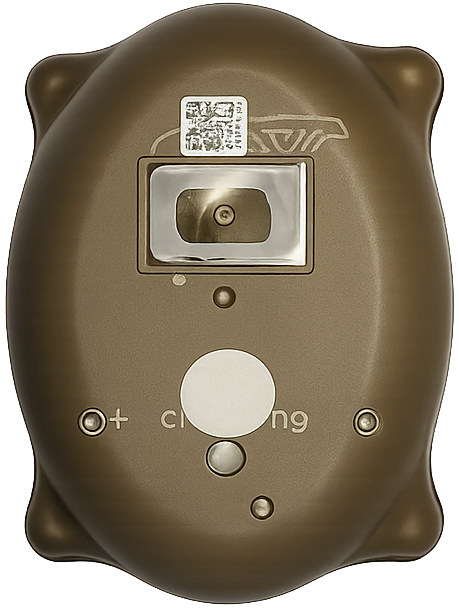
One for the weeks after a fire. One for the years before it.
Runs on its own battery, so it goes up in minutes. Built for the watch after a fire is out.
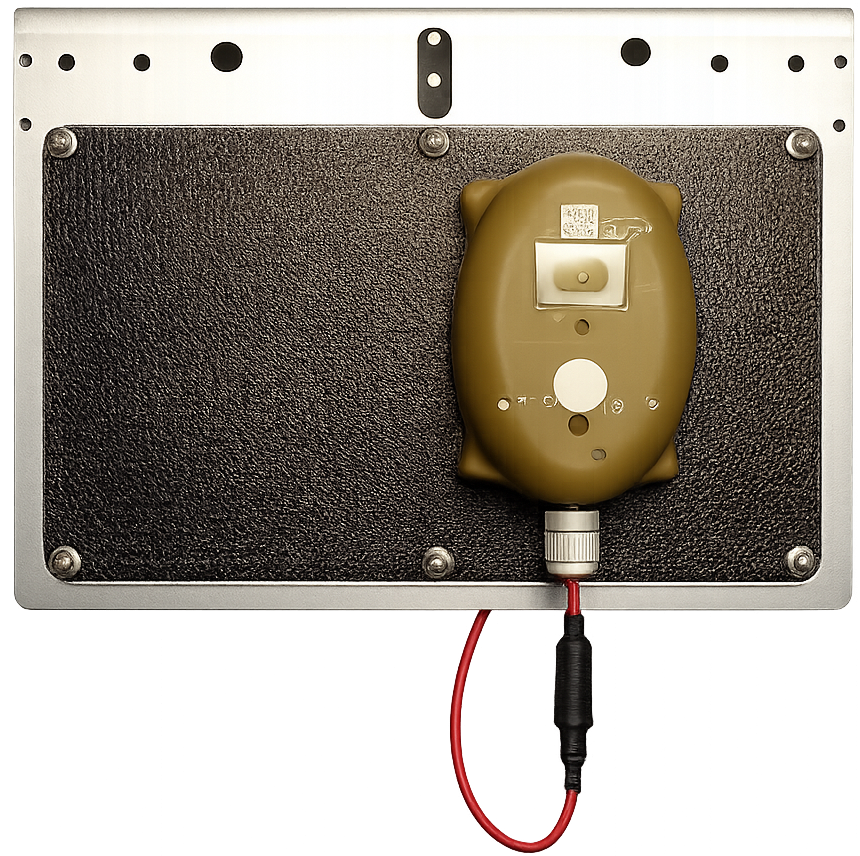
Solar panel and battery, for ground you need watched over years rather than weeks.
Three parts: the sensor, the network that carries its readings, and the platform that watches them.
An optical sensor that counts PM1.0, PM2.5 and PM10 particles in the air.
Long range on very little power, so a device keeps reporting from a hillside with no mains supply and no mobile coverage.
One screen for every device, its history, and who gets told when something changes.
From a change in the air to a message on your phone, in three steps.
Optical sensor measures PM particle concentration in the air.
Data is sent via the LoRaWAN network to the server.
The platform compares the reading against your thresholds and tells whoever needs to know.
Tell us what you need watched and we will tell you honestly whether this helps.